
Yoga Mat- How to Choose & Care for Longevity & Hygiene

Yoga Mat- How to Choose
A yoga mat is more than just a piece of equipment; it’s your personal sanctuary, the foundation for your practice, and a silent partner in your journey towards a “Better Life Forever.” While finding a mat with excellent grip is crucial, understanding how to choose one for longevity and, perhaps more importantly, how to properly care for it for hygiene, is just as vital. A well-maintained mat enhances your practice, extends its lifespan, and ensures a clean, healthy space for your mindful movements.
This article goes beyond the initial purchase, offering a comprehensive guide on selecting a durable mat and implementing effective care routines. We’ll delve into the nuances of materials, cleaning best practices, and storage tips, ensuring your yoga mat remains a pristine and supportive companion for years to come.
💡 Also Read: Chloe Ting Workout Programs in 2025 — 2 Week Shred, Abs & Cardio Challenges
Your Yoga Mat 1-Minute Summary
- Material Affects Longevity: Natural rubber and PVC are generally more durable than TPE for heavy use.
- Density Matters: Denser mats hold up better against wear and tear.
- Regular Cleaning is Key: Wipe down after every use with a gentle cleaner to prevent bacteria.
- Deep Clean Periodically: Use a mild soap solution for a thorough wash.
- Always Air Dry: Ensure the mat is completely dry before rolling to prevent mold and odor.
- Proper Storage: Roll loosely and store away from direct sunlight/extreme temperatures.
1. Yoga Mat-Choosing for Longevity: Beyond Just the Grip
While a non-slip surface is paramount, considering the mat’s durability from the outset will save you money and hassle in the long run.
- Yoga Mat Material Durability:
- Natural Rubber: Highly durable, especially for vigorous practices. It’s resilient and resistant to tearing if cared for properly.
- PVC (Polyvinyl Chloride): Known for its exceptional durability and longevity. High-quality PVC mats can last for many years, even with heavy use. Look for phthalate-free options.
- TPE (Thermoplastic Elastomer): More eco-friendly than PVC but generally less durable than natural rubber or high-quality PVC, especially with intense daily use. It can show wear faster.
- Jute/Cotton: While natural, these mats are more prone to wear and tear and may not retain their shape or cushioning as long as rubber or PVC.
- Yoga Mat Density: A denser mat provides more stable support and is less likely to compress or develop indentations over time. While a softer mat might feel comfortable initially, a denser one offers better long-term support and resistance to breakdown.
- Yoga Mat Thickness vs. Durability: Thicker mats (6mm+) generally have more material, which can contribute to their longevity. However, even thinner, high-density mats can be incredibly durable.
- Yoga Mat Quality of Construction: Look for mats from reputable brands known for their manufacturing quality. Check for consistent texture, even edges, and no visible flaws.
Actionable Takeaway: For a mat that truly lasts, prioritize natural rubber or high-quality, phthalate-free PVC. Consider a denser mat for better long-term support and resistance to wear.
💡 Also Read: How I Stay Fit Working from Home with 5 Simple Desk Exercises
2. The Art of Cleaning: Keeping Your Yoga Mat Hygienic
Your yoga mat absorbs sweat, oils, and dirt from your skin and the floor. Regular cleaning is non-negotiable for hygiene and to maintain its grip.
- Post-Practice Wipe-Down Yoga Mat (Daily/After Each Use):
- Solution: A simple mix of water and a few drops of mild dish soap, or a dedicated, natural yoga mat cleaner. Avoid harsh chemicals, essential oils (unless specifically formulated for mats), or alcohol-based cleaners as they can degrade the material and reduce grip.
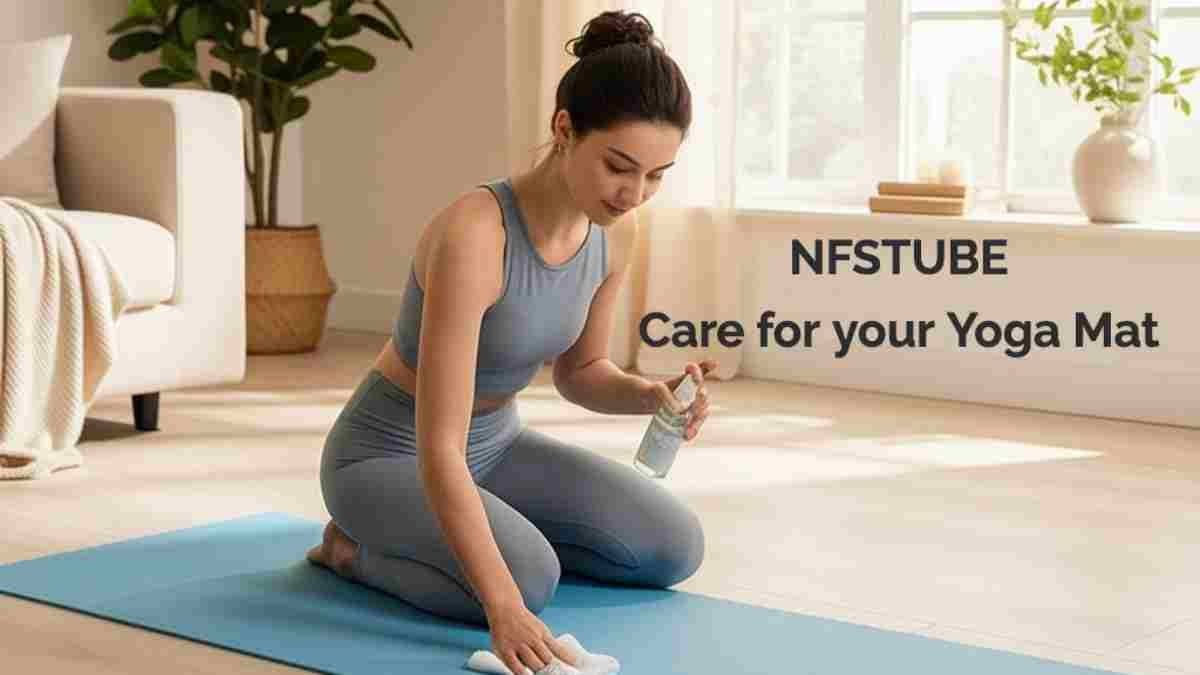
- Method: Lightly spray the mat and wipe down with a soft, damp cloth. Pay extra attention to areas where your hands and feet were.
- Why: This prevents sweat and bacteria from settling and hardening, maintaining the mat’s texture and smell.
- Deep Clean Yoga Mat (Weekly/Bi-weekly, or as needed):
- Solution: For a thorough clean, use a larger quantity of mild soap and water.
- Method: Lay the mat flat. Gently scrub the entire surface with a soft brush or cloth. Rinse thoroughly with clean water, ensuring no soap residue remains.
- Why: Removes accumulated dirt and body oils that can make the mat slippery over time.
- Air Dry Thoroughly Yoga Mat: This is the most crucial step after cleaning.
- Method: Hang the mat over a shower rod, clothesline, or lay it flat on a clean, dry surface. Ensure both sides are completely dry before rolling it up.
- Avoid: Direct sunlight (especially for rubber mats, as UV can degrade them), machine washing, or machine drying.
- Why: Prevents mildew, mold, and unpleasant odors, which can ruin your mat and affect your health.
Actionable Takeaway: Implement a quick wipe-down after every session and commit to a deeper clean regularly. Always, always ensure your mat is bone dry before storing.
💡 Also Read: Transform Your Living Room into a Fitness Paradise: My Journey with Simple Home Workouts and Amazon
3. Yoga Mat Smart Storage: Preserving Shape and Integrity
How you store your mat significantly impacts its longevity and usability.
- Roll, Don’t Fold: Always roll your mat tightly, usually with the top/grip surface facing outwards (though some manufacturers recommend inward). Folding creates creases that can weaken the material and impact its flat lie during practice.
- Loose vs. Tight Rolling: Avoid rolling it so tightly that the material strains, but ensure it’s tight enough to hold its shape.
- Use a Strap/Bag: A simple yoga mat strap or a dedicated mat bag helps keep it rolled neatly and protects it from dust and external elements.
- Avoid Extreme Temperatures: Do not leave your mat in a hot car, direct sunlight, or very cold environments for extended periods. Extreme temperatures can damage the material, making it brittle or sticky.
- Vertical or Horizontal: Store vertically in a corner or horizontally under a bed. Avoid placing heavy objects on top of a rolled or flattened mat, which can cause permanent indentations.
Actionable Takeaway: Invest in a simple mat strap or bag. Always roll your mat neatly and store it in a cool, dry place away from direct sunlight.
4. Yoga Mat When to Replace Your Mat: Signs of Wear
Even the most durable mats eventually wear out. Knowing when to replace yours is important for safety and hygiene.
- Loss of Grip: If your mat consistently feels slippery despite thorough cleaning, its non-slip properties might be gone. This is a safety hazard.
- Flaking or Cracking: Visible signs of material breakdown, especially around the edges or heavily used areas.
- Permanent Indentations: If the mat doesn’t bounce back to its original shape after use, it has lost its cushioning and support.
- Persistent Odor: If a strong, unpleasant odor persists even after deep cleaning and airing out, it might be harboring bacteria or mold beyond repair.
- Thin Spots: Areas where the mat has become noticeably thinner or worn through, indicating loss of protective cushioning.
Actionable Takeaway: Don’t hold onto a worn-out mat. A compromised mat affects your practice and could lead to injury.
💡 Also Read: Unlocking Superfoods: Enhancing Health and Productivity for Professionals Over 25 in an Indian
FAQs: Your Yoga Mat Care Questions Answered
Q1. Can I machine wash my yoga mat?
A: Generally, no. Most yoga mats are not designed for machine washing, which can damage the material, reduce grip, and shorten their lifespan. Always follow the manufacturer’s cleaning instructions.
Q2. My mat smells bad. What should I do?
A: First, try a deep clean with a mild soap solution and ensure it’s thoroughly air-dried. If the odor persists, it might indicate deep-set bacteria or mold, and it might be time to consider a replacement. For rubber mats, an initial rubber smell usually fades over time.
Q3. Can I use essential oils to clean my mat?
A: Use caution. Some essential oils can degrade certain mat materials, especially rubber or TPE. If you use them, dilute them heavily and test on a small, inconspicuous area first. Opt for commercial mat cleaners formulated with safe essential oils, or stick to mild soap and water.
Q4. How can I remove stubborn dirt or stains?
A: For tough spots, you can make a paste with baking soda and a little water, gently scrub the area, let it sit for a few minutes, then rinse thoroughly. Always follow with complete air drying.
Q5. How long should a good yoga mat last?
A: With proper care, a high-quality natural rubber or PVC mat can last anywhere from 3-5 years, or even longer for some premium brands. TPE mats might last 1-3 years depending on usage.
Your Yoga Mat Care & Choice Conclusion:
Your yoga mat is an investment in your well-being. By thoughtfully choosing a durable mat and committing to a consistent regimen of cleaning and proper storage, you not only extend its life but also ensure it remains a clean, safe, and supportive space for your practice. These simple acts of care contribute to a more mindful and effective fitness journey, truly fostering a “Better Life Forever.”
Nurture your mat, and it will continue to support you through every stretch, pose, and moment of peace.
💡 Also Read: 10-Minute Home Workout Challenge: Quick & Effective Routines for a Busy Indian Life
Your Yoga Mat Actionable Takeaways:
- Clean Consistently: A quick wipe after each use prevents accumulation.
- Dry Completely: Avoid mold and odors by ensuring thorough air drying.
- Store Smartly: Roll your mat properly and protect it from environmental damage.
Your Yoga Mat Amazon Product Picks:
Disclaimer:
This article contains affiliate links and is intended for informational purposes only. For queries or corrections, please reach out via our Contact Form. Also refer to our Disclaimers & Transparency.