

Bengaluru’s Struggle with Heavy Rainfall: Understanding the Urban Challenges Ahead



A Brief History of Bengaluru’s Rainfall Woes
| Year | Incident | Impact |
| 2005 | Flash floods in Koramangala and Ejipura | Dozens displaced; highlighted lack of drainage maintenance |
| 2017 | Record July rainfall | Over 1,200 trees uprooted; traffic paralysis for 48 hours |
| 2020 | Monsoon downpour submerged 110+ areas | Tech parks in Whitefield and ORR faced major power outages |
| 2022 | One of the worst urban floods in a decade | Residents in gated communities used tractors and boats to commute; ₹225 crore estimated loss |
| 2024 | Rainfall breaks 30-year records | Bangalore International Airport temporarily closed due to runway flooding |
Over the years, Bengaluru’s rapid urbanization—coupled with shrinking lakes, encroached storm water drains, and unplanned infrastructure—has made the city increasingly vulnerable to heavy rains. Despite tech advancements, the climate resilience of India’s Silicon Valley continues to be tested every monsoon.
Bengaluru, the vibrant capital of Karnataka, often finds itself grappling with heavy rainfall, leading to significant flooding challenges. This issue is not merely a seasonal inconvenience; it is a complex urban problem that demands urgent and effective responses. In this artilce, we will examine the various impacts of heavy rainfall on the city. We will also explore sustainable urban planning and climate resilience strategies that can help mitigate these crises.
The Current Scenario of Heavy Rainfall in Bengaluru
Every monsoon season, Bengaluru faces torrential downpours that can lead to widespread flooding. In recent years, particularly since 2020, rainfall patterns have become increasingly unpredictable. For instance, reports indicate that monsoon rainfall in 2021 was 32% above normal, causing extensive damage across the city. The combination of the city’s topography and rapid urbanization has made several areas, such as Koramangala, Indiranagar, and Whitefield, highly vulnerable to waterlogging.
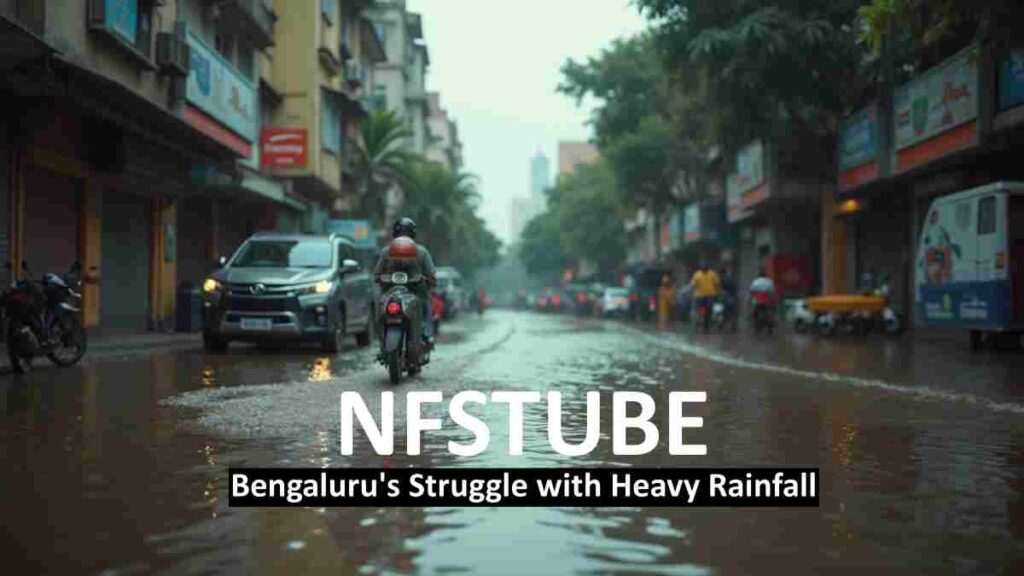
During significant rain events, streets can become unrecognizable, resembling rivers. Homes may turn into islands, trapping residents and obstructing their daily routines. For example, in October 2022, the city recorded nearly 200 mm of rain in 24 hours, leading to road closures and impacting thousands of commuters.
The Effects on Daily Life
The repercussions of heavy rainfall ripple through multiple aspects of urban life. Traffic congestion peaks as roads become impassable, often leaving commuters stranded for hours. Studies have shown that traffic delays can increase by as much as 50% during monsoon months. This not only frustrates those on the road but also increases pollution levels.
Moreover, businesses, both large and small, face severe disruptions. Retailers in flood-prone areas often experience a decline in foot traffic, leading to financial losses that can threaten their survival. Small businesses in areas like Malleswaram saw revenue drop by up to 40% last season due to the imp act of flooding. This cycle of rainfall and flooding highlights the pressing need for robust infrastructure capable of withstanding these natural events.
The Urban Planning Dilemma
Bengaluru’s urban planning has not kept pace with its rapid population growth and infrastructure demands. Poorly maintained drainage systems and a lack of adequate green spaces are critical issues. Only about 30% of the city’s drainage system is functioning optimally, limiting its ability to handle storm water efficiently.
The unplanned construction of buildings and encroachment on lakes and wetlands compound the flooding problem. With the disappearance of natural water bodies, the city struggles to manage storm water effectively. For a sustainable solution, initiatives like rainwater harvesting and the restoration of these water bodies must be prioritized in future urban development plans.
The Role of Sustainable Urban Design
To address the challenges posed by heavy rainfall, Bengaluru needs to adopt sustainable urban design practices. Introducing permeable pavements and green roofs can significantly help absorb rainwater and reduce surface runoff. Studies have shown that green roofs can retain up to 90% of rainfall, reducing the burden on drainage systems.
Additionally, effective storm water management systems must be established to redirect excess water to designated areas, lessening the risk of flooding in both residential and commercial zones. Integrating nature-based solutions into urban planning can bolster the city’s resilience against future climatic events.
Community Engagement and Awareness
Community involvement is crucial in tackling flooding challenges. Local governments and NGOs must actively engage with residents to raise awareness about flood-prone areas and the necessary safety measures.
Informative campaigns that educate citizens on preparations for excessive rainfall can go a long way. For example, providing guides on creating emergency kits and understanding evacuation routes empowers individuals to take proactive measures during emergencies. Engaging communities fosters resilience and strengthens the city’s overall response to such crises.
Climate Change and Its Impact
The impact of climate change is increasingly evident in Bengaluru, influencing rainfall patterns and raising the likelihood of extreme weather events. Rising temperatures lead to more intense rainfall occurrences, overwhelming the city’s ability to respond effectively.
Research indicates that climate change can increase the intensity of precipitation by up to 20% in certain scenarios. Understanding this relationship is vital for planning effective strategies. Policymakers must consider climate projections when making infrastructure investments and urban development plans to ensure resilience against evolving weather patterns.
Future Directions: A Call for Action
To tackle the challenges of heavy rainfall in Bengaluru, a comprehensive action plan is essential. It should include collaboration among various stakeholders: government authorities, community members, urban planners, and environmental experts.
Investments should focus on improving existing infrastructure—upgrading drainage systems and restoring natural water bodies are high priorities. Encouraging sustainable practices within communities will ensure shared responsibility for safeguarding the urban environment and mitigating flooding risks.
A Path Forward
Bengaluru’s struggle with heavy rainfall and flooding is a complex urban challenge that needs immediate attention. The city must evolve through sustainable urban planning, community engagement, and proactive measures to build resilience against a changing climate.
Investing in these strategies will not only tackle current flooding issues but also prepare Bengaluru for a more sustainable and resilient future. As the city continues to grow and adapt, embracing these changes will be crucial in preserving the livelihoods and well-being of its residents.
Bengaluru’s struggle with heavy rainfall underscores the urgent need for action. The time to prioritize sustainable urban planning is now. Embrace change for a better tomorrow!
Explore more NFSTUBE content: