

Top 10 Cars in 2026? These 10 Models Offer Maximum Bang for Your Buck

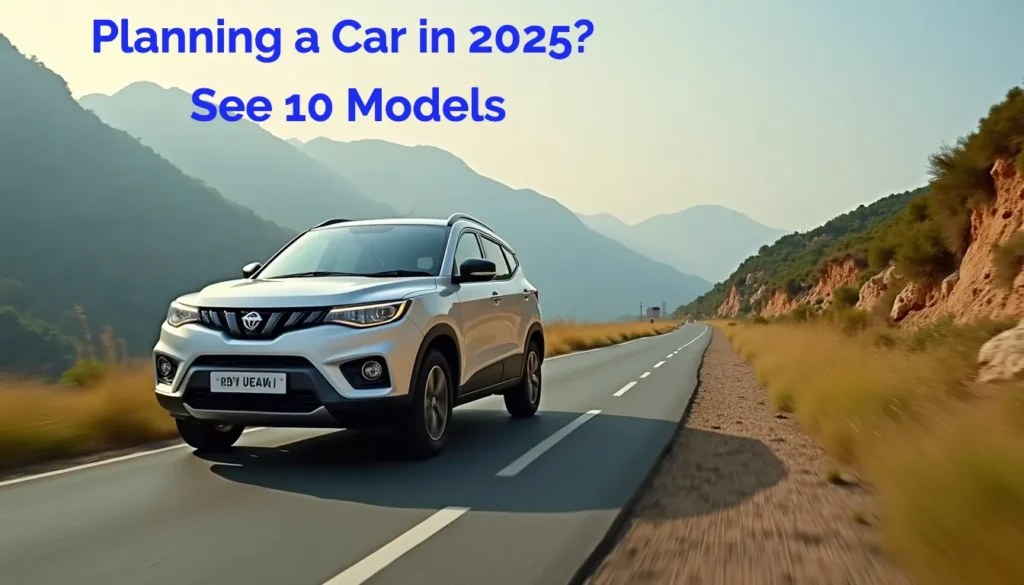


The Indian Car Buyer’s Guide: Top 10 Cars to Buy in 2026
The automotive landscape in India has shifted dramatically by early 2026. The “cheap car” era is fading as buyers prioritize safety, tech, and road presence. While SUVs continue to dominate our roads, there is a renewed interest in practical sedans and a massive surge in “mainstream” electric vehicles that finally offer the range we need.
If you are looking to put your hard-earned money down this year, these are the Top 10 Car contenders that balance value, performance, and that crucial “Indian road” practicality.
1. Tata Nexon (The Undisputed All-Rounder)
The Tata Nexon continues to be the default recommendation for many Indian families, and for good reason. By retaining its spot as the #1 best-selling car in February 2026, it has proven that its formula works.
- Why it wins: It is the Swiss Army knife of cars. Whether you want a turbo-petrol for city zipping, a diesel for highway mile-munching, or an EV for low running costs, the Nexon has a variant for you. The 2026 iteration feels more premium inside, with its two-spoke steering wheel and touch-based climate controls becoming second nature to users.
- Best for: Small families who want 5-star safety without crossing the ₹15 lakh budget.
2. Maruti Suzuki Dzire (The Sedan Survivor)
In a world obsessed with SUVs, the Maruti Dzire refuses to quit. It remains the second best-selling car in the country, largely because it does one thing better than anyone else: comfort per rupee.
- Why it wins: The new generation launched recently has shed the “taxi” image with a sharper design and a more upscale cabin. The addition of a sunroof and 360-degree camera has silenced critics who called it basic. Plus, the CNG variants are delivering efficiency figures that make electric cars nervous.
- Best for: Urban professionals and families who prioritize rear-seat comfort and fuel efficiency over ground clearance.
3. Hyundai Creta (The Mid-Size Monarch)
Despite stiff competition, the Hyundai Creta remains the king of the mid-size SUV segment. It essentially created the “upwardly mobile Indian” vehicle category.
- Why it wins: It’s the “fill it, shut it, forget it” of the premium SUV world. The 2026 model year continues to offer the best resale value in its class. The interiors feel a class above the competition, and the panoramic sunroof remains a massive selling point. The introduction of the Creta EV has also given loyalists a greener upgrade path without losing the brand trust.
- Best for: Buyers looking for a premium experience, reliable service, and a car that commands respect in the corporate parking lot.
4. Tata Punch (The First Car Favorite)
The Tata Punch has effectively killed the entry-level hatchback. For the price of a Swift or i10, the Punch offers a high seating position and SUV styling that Indians adore.
- Why it wins: It tackles potholes and speed breakers better than any sedan in its price bracket. The electric version (Punch EV) with its 300km+ real-world range has become the definitive “second car” for wealthy households and the “only car” for eco-conscious city dwellers.
- Best for: New drivers and city commuters who deal with bad roads daily.
5. Maruti Suzuki Brezza (The Reliable Rock)
While the Nexon offers flash, the Brezza offers peace of mind. It remains the only petrol-focused compact SUV that consistently hits top sales numbers, thanks to its refined 1.5L engine.
- Why it wins: It feels like a “big car” from the inside. The reliable torque-converter automatic transmission is smoother than the AMTs found in rivals. It’s arguably the most hassle-free SUV to own in India right now—service parts are cheap, and it rarely breaks down.
- Best for: Conservative buyers who want a no-nonsense SUV that will last 15 years.
6. Mahindra Scorpio-N (The Big Daddy)
If road presence is your priority, the Scorpio-N is unparalleled. It has successfully transitioned from a rural workhorse to a sophisticated urban lifestyle vehicle.
- Why it wins: It is one of the few proper “body-on-frame” SUVs left that you can live with daily. The suspension flattens bad roads, and the diesel engine has the grunt to carry seven people up a hill without gasping. It occupies a unique price sweet spot where it offers Toyota Fortuner-like capabilities for half the price.
- Best for: Large families and enthusiasts who do frequent highway trips or live in areas with poor infrastructure.
7. Maruti Suzuki e Vitara (The EV Game Changer)
Launched in February 2026, this is the most important car of the year. It is Maruti’s first proper crack at the EV market, and it has immediately disrupted the segment.
- Why it wins: It brings “Maruti trust” to electric mobility. With a claimed range of over 500 km on the top variant and a rugged SUV design, it removes the two biggest hurdles for EV buyers: range anxiety and durability concerns. Unlike fragile city EVs, the e Vitara is built to take a beating.
- Best for: Early adopters who were waiting for a “safe” and reliable entry point into the EV ecosystem.
8. Mahindra Thar Roxx (The Lifestyle Family Car)
The 5-door Thar (Roxx) has done the impossible: it made the Thar practical. It retains the iconic Jeep-like silhouette but adds rear doors, a usable boot, and a suspension setup that doesn’t break your back.
- Why it wins: It is currently the biggest head-turner on the road. It offers legitimate 4×4 capability for the weekends and enough comfort for the Monday morning school run. It has carved out a niche for buyers who are bored of the standard “cookie-cutter” SUVs like the Creta or Seltos.
- Best for: Adventure seekers who need to justify their purchase to their family.
9. Maruti Suzuki Ertiga (The People Mover)
The Ertiga is the unsung hero of the Indian market. It doesn’t get the magazine covers, but it moves more Indian families than any other car.
- Why it wins: There is simply no other car that seats seven adults comfortably at this price point. The CNG variant is a marvel of engineering, offering incredible low running costs. In 2026, it remains the gold standard for practicality.
- Best for: Joint families and those who value utility over vanity.
10. Maruti Suzuki Swift (The Youth Icon)
The Swift has evolved. The 2026 model is sportier, safer, and more fuel-efficient than ever, keeping the hatchback dream alive.
- Why it wins: It remains the most “fun-to-drive” car on a budget. The new Z-series engine is peppy and delivers mileage that hybrid cars struggle to match. It holds its value incredibly well and remains the easiest car to modify and personalize.
- Best for: College students, singles, and young couples buying their first set of wheels.
Top 10 Cars- Final Buying Advice for 2026
- Go Electric if: Your daily running is over 40-50 km and you have a dedicated parking spot for a charger. The Maruti e Vitara and Tata Punch EV have made this a safe bet.
- Stick to Hybrid/CNG if: You have a transferable job or drive frequently on highways where charging infrastructure is still catching up.
- Diesel is not dead: If you are buying a big SUV like the Scorpio-N or Creta for long-distance touring, diesel still offers the best torque and efficiency balance.
Which of these segments fits your current lifestyle best—the city-smart EV or the highway-ready SUV?
Also Read @ NFSTUBE
Frequently Asked Questions- Top 10 Cars (FAQs)
1. Is 2026 the right year to switch from a Petrol/Diesel car to an EV?
Yes, 2026 is widely considered the “tipping point” for EVs in India. With the launch of the Maruti Suzuki e Vitara and the expansion of the Tata EV range, charging infrastructure has improved significantly across major highways. If your daily commute is over 40 km and you have home charging, the long-term fuel savings and lower maintenance costs now outweigh the higher initial purchase price.
2. Why do Maruti Suzuki cars still dominate the Top 10 list despite safety concerns?
While safety was a concern in the past, Maruti’s newer 2026 models like the Brezza and e Vitara utilize strengthened platforms and come with six airbags as standard. Buyers continue to choose Maruti because of the unmatched resale value, the widest service network in India, and the best-in-class fuel efficiency of their new Z-series engines and Hybrid tech.
3. Are Diesel cars still worth buying in India with stricter emission norms?
Diesel remains the best choice if you are a “heavy miler” who drives more than 1,500 km per month or if you are buying a large SUV like the Mahindra Scorpio-N. While small diesel cars have vanished, the 1.5L and 2.0L diesel engines in larger SUVs offer the high torque needed for highway cruising and hilly terrain that petrol engines struggle to match without burning a hole in your pocket.
4. What is the average waiting period for popular SUVs like the Mahindra Thar Roxx or Tata Nexon?
In early 2026, waiting periods have stabilized compared to previous years, but high-demand models like the Thar Roxx and certain Creta variants still have a lead time of 3 to 6 months. However, for mass-market models like the Punch or Brezza, you can usually get delivery within 4 to 8 weeks depending on your choice of colour and trim.
5. How important is a Sunroof and ADAS in the 2026 Indian car market?
In 2026, these are no longer “luxury” features but “expected” ones. Advanced Driver Assistance Systems (ADAS) have become a major selling point for safety-conscious buyers on highways, while the Sunroof (especially Panoramic ones) remains the #1 feature requested by Indian families for its aesthetic appeal and the sense of “openness” it adds to the cabin
Disclaimer: This article contains affiliate links and is intended for informational purposes only. For queries or corrections, please reach out via our Contact Form. Also refer to our Disclaimers & Transparency.
For the latest Tech, Entertainment, Fitness, and Lifestyle updates, follow NFSTUBE on Instagram, Facebook, YouTube, & X(twitter) for daily updates.